Banner Materials: Vinyl, Blockout, Mesh & Fabric
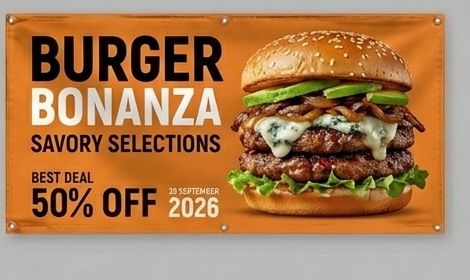
Short answer: pick 13oz vinyl for everyday indoor/outdoor banners, 18oz blockout when you need a true double-sided banner or maximum durability, mesh for fences and windy outdoor spots, and 9oz wrinkle-free fabric for a premium, no-glare indoor look. This guide explains why, and how the finishing options change how you hang each one.
What "oz" means on a banner
Banner materials are described by weight per square yard — 13oz, 18oz, and so on. Heavier generally means thicker, tougher and more opaque, but also stiffer and pricier. The right weight is about the job, not just "more is better": a lightweight indoor banner and a heavy street banner have different needs. Below is how the common Apex banner materials compare and when each one is the right call.
13oz scrim vinyl — the everyday workhorse
Scrim vinyl is the most popular banner material for good reason: it is durable, weather-resistant, economical, and prints in vivid full color. A polyester scrim mesh sandwiched between vinyl layers gives it tear resistance, so it holds up to repeated indoor and outdoor use — storefronts, events, trade shows, promotions and step-and-repeat backdrops. For the majority of banners, 13oz vinyl is the default choice.
Because standard vinyl is somewhat translucent, a single-sided 13oz banner can show a faint ghost of the print from behind. That is fine for a banner hung against a wall, but if it will be seen from both sides, look at blockout.
18oz blockout — for double-sided and heavy duty
Blockout vinyl has an opaque gray core layer that blocks light from passing through, so two different prints on opposite faces never bleed into each other. That makes 18oz blockout the right pick for true double-sided banners — hanging banners seen from both directions, street-pole banners, and any high-visibility spot where you want a crisp image on each side. It is also heavier and more tear-resistant than 13oz, so it suits long outdoor runs and demanding environments where durability matters most.
Mesh — for wind and fences
Perforated mesh vinyl is riddled with tiny holes that let roughly a third of the wind pass straight through. That dramatically cuts the wind load that makes solid banners flap, strain their grommets and tear — which is exactly what you want on a fence line, scaffolding, a stadium rail or a building wrap. You trade a little color density for that airflow, but modern mesh still prints bold, readable graphics. If your banner lives outdoors in an exposed, windy location, mesh is usually the safest choice.
9oz wrinkle-free fabric — the premium indoor look
Fabric banners are dye-sublimated: the ink is bonded into a polyester fabric rather than sitting on a vinyl surface. The result is a rich, no-glare matte finish that photographs beautifully under lights — ideal for indoor branding, backdrops and photo walls where a vinyl sheen would reflect. 9oz wrinkle-free fabric also packs down and travels without creasing, and many fabric pieces are machine washable, so they stay presentable show after show. The trade-off is that fabric is less suited to harsh, wet outdoor use than vinyl.
At a glance
| Material | Best for | Indoor / outdoor | Double-sided | Finish |
|---|---|---|---|---|
| 13oz vinyl | Everyday banners | Both | Ghosting possible | Satin vinyl |
| 18oz blockout | Double-sided, heavy duty | Both | Yes (opaque core) | Matte vinyl |
| Mesh | Fences & wind | Outdoor | Single | Perforated |
| 9oz fabric | Premium indoor | Indoor | Single | No-glare matte |
Finishing: how you'll hang it
Material is only half the decision — finishing determines how the banner mounts. Choose to match where it will hang:
- Hem: a folded, reinforced edge that keeps the banner from fraying and gives grommets something strong to bite into. Standard on most banners.
- Grommets: metal eyelets for rope, zip ties or hooks. Common patterns are every two feet around all sides, top and bottom only, left and right only, or just the four corners.
- Pole pockets: sewn sleeves (typically 2") along the top and/or bottom so a pole or rod slides through — the clean look for hanging and street-pole banners.
- Velcro and rope options suit specific framing systems and heavy outdoor rigging.
As a rule of thumb: grommets for tying to a fence or frame, pole pockets for a polished hanging banner, and mesh plus reinforced edges for windy outdoor sites.
Sizing and artwork basics
Banners are made to size to the inch, so measure the space first and order to fit rather than trimming later. For artwork, supply the highest-resolution file you have — vector for logos and text is ideal — and remember that a banner viewed from across a parking lot needs far larger type than one read at arm's length. Every Apex order includes a free proof so you can confirm size, color and layout before it prints.
How long do banners last?
Lifespan depends on the material and the environment more than any single number. Indoors, a vinyl or fabric banner can look new for years with light handling. Outdoors, expect UV, wind and weather to shorten that — but the right material stacks the odds in your favour: dye-sublimated graphics resist fading, blockout vinyl’s extra weight resists tearing on long runs, and mesh survives wind that would destroy a solid banner on a fence. Two habits extend any banner’s life: store it dry and rolled rather than folded, and don’t leave it exposed to sun and weather when it isn’t in use. When the message changes but the banner is still sound, you simply reprint — banners are made to order, so updating artwork is straightforward.
Indoor vs outdoor: a quick decision guide
If the banner lives indoors — trade show booths, lobbies, retail, photo walls — favour finish and look: 13oz vinyl for everyday signage, or 9oz fabric for a premium, no-glare surface that photographs cleanly under lights. If it lives outdoors, favour durability and wind behaviour: 13oz vinyl for general use, 18oz blockout for heavy-duty or double-sided street banners, and mesh anywhere wind is a factor, such as fences, scaffolding and building wraps. When in doubt for a mixed-use banner, 13oz vinyl is the safe, economical default; step up to blockout or mesh only when double-sided visibility or wind specifically calls for it.
Which banner should you choose?
- General indoor/outdoor use → 13oz vinyl.
- Seen from both sides, or built to last → 18oz blockout.
- Fences, wraps or windy spots → mesh.
- Premium indoor branding and backdrops → 9oz fabric.
All four are priced by the square foot with instant online pricing. See the whole range on the banners page, or read the print coverage guide for artwork tips.
Frequently asked questions
What is the most popular banner material?
13oz scrim vinyl. It is durable, weather-resistant, economical and prints in vivid color, which makes it the default for most indoor and outdoor banners.
Which banner material is best for double-sided printing?
18oz blockout vinyl. Its opaque gray core blocks light so two different prints on opposite faces don’t bleed together, giving a crisp image on each side.
What banner should I use on a fence or in wind?
Perforated mesh. The tiny holes let about a third of the wind through, cutting the wind load that tears solid banners — ideal for fences, scaffolding and building wraps.
When should I choose a fabric banner over vinyl?
For premium indoor branding, backdrops and photo walls. Dye-sublimated fabric has a no-glare matte finish that photographs well under lights and packs without creasing; vinyl is better for harsh outdoor use.
What’s the difference between grommets and pole pockets?
Grommets are metal eyelets you tie or hook through; pole pockets are sewn sleeves (usually 2") that a pole slides into for a clean hanging look. Choose based on how you’ll mount the banner.
Are banners printed to a custom size?
Yes — banners are made to size to the inch and priced by the square foot, so measure your space and order to fit rather than trimming later.